8 min
What Changes the Cost of Tree Removal in Indiana?
A practical breakdown of the site, tree, access, equipment, and cleanup variables that shape a tree-removal estimate in Indiana.
Understand the condition, options, site constraints, and written scope before tree work begins in Carmel or north Indianapolis.
Choose the issue that best matches the property.

Each service page explains when the method fits, what signs matter, what should be included, and which questions belong in writing.
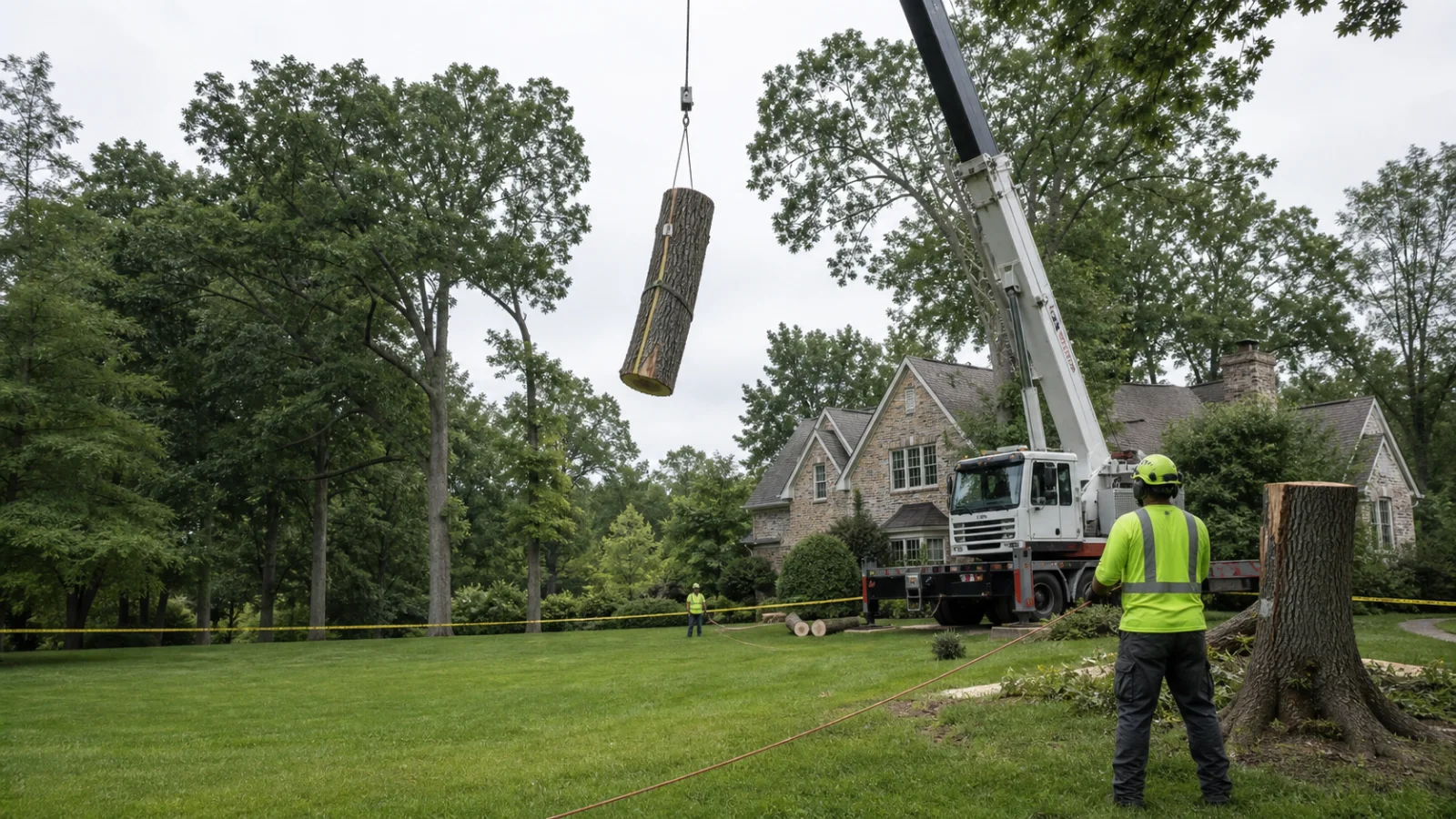
Plan a controlled removal around homes, driveways, fences, and landscaping.
Read the field guide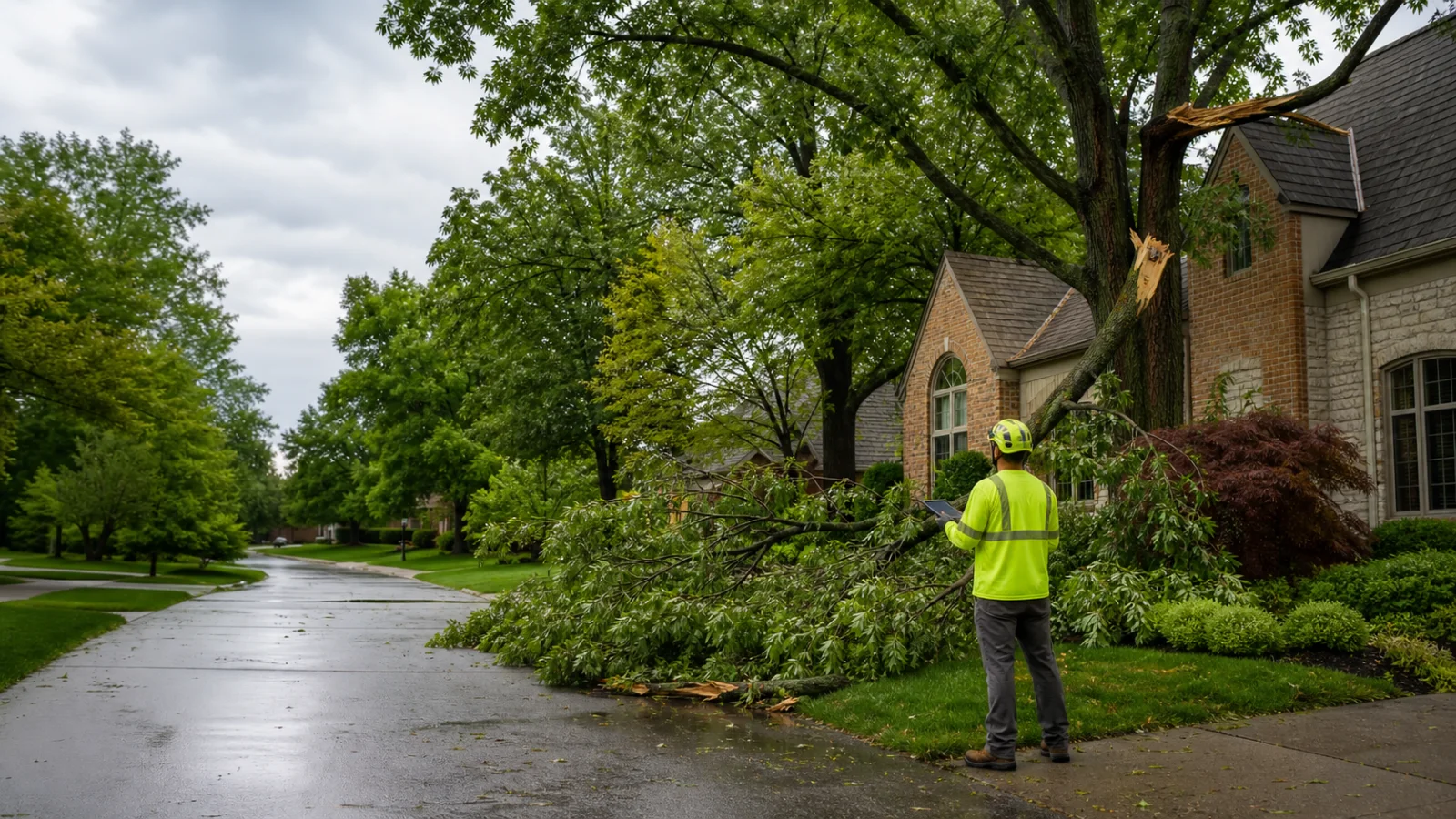
A clear first response when a tree falls, splits, or blocks safe access.
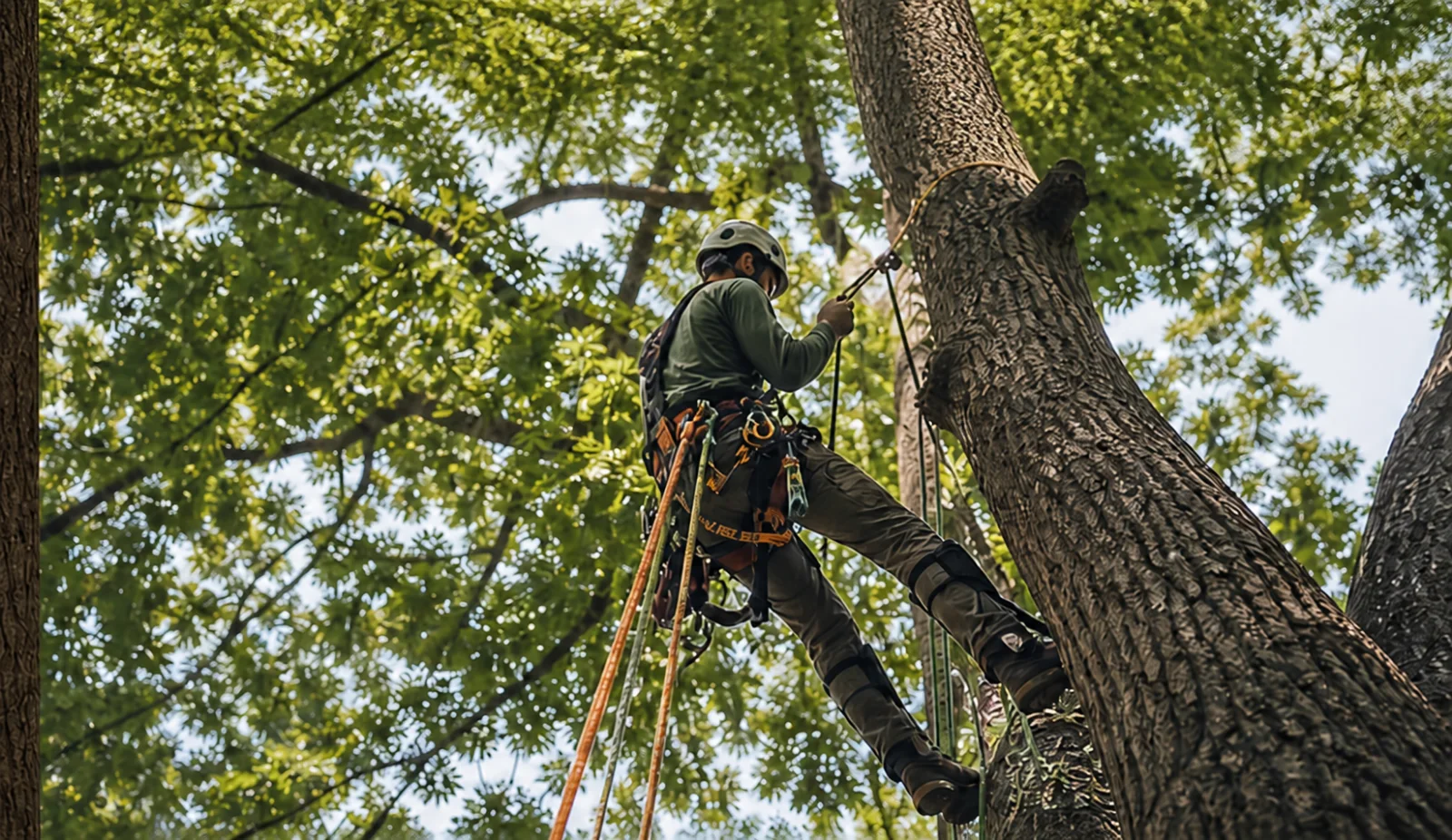
Read the field guidePruning tied to a defined objective—not indiscriminate canopy cutting.
Read the field guide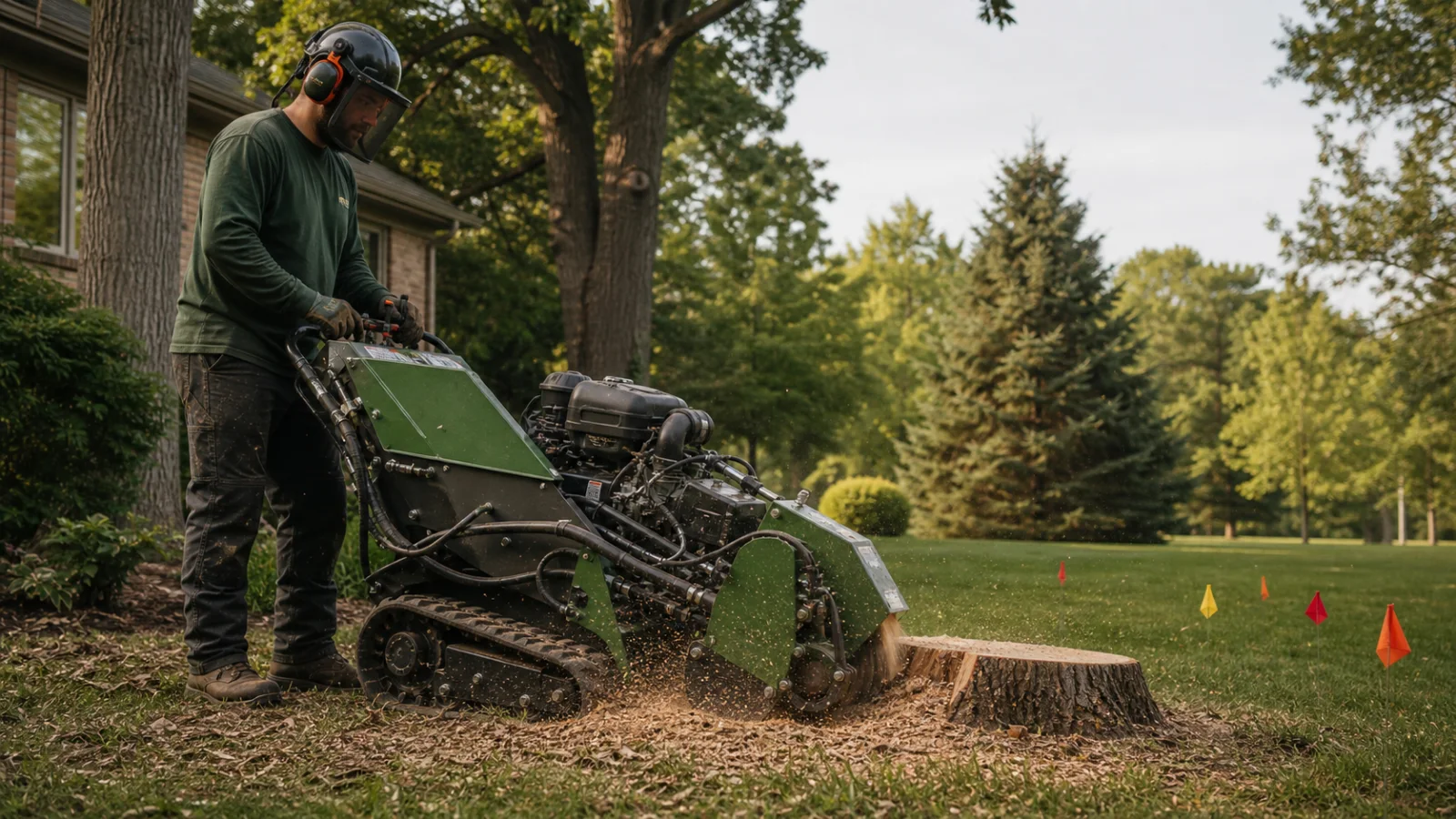
Reclaim lawn and planting space after the tree is gone.
Read the field guideSort urgent hazards from salvageable trees after wind, ice, or saturated soil.
Read the field guideControlled lifting where conventional lowering space is limited.
Read the field guideStay outside the fall zone. Assume hidden lines are energized. Document damage from a safe location, then separate immediate stabilization from removal and repair.
Access, right-of-way trees, preservation areas, older canopy, newer development, utilities, and drainage vary across the service area.
Mature neighborhood trees, newer subdivisions, preservation areas, and high-value landscaping make access and site protection central to Carmel tree work.
Marion CountyNorth IndianapolisNorth-side properties range from compact urban lots to broad wooded neighborhoods, so removal methods have to adapt to utilities, traffic, alleys, and limited staging.
Hamilton CountyWestfieldFast-growing neighborhoods meet older farm windbreaks and mature residential trees in Westfield.
Hamilton CountyFishersFishers combines dense subdivisions, creek corridors, community landscaping, and mature trees near homes and shared spaces.
Hamilton CountyNoblesvilleNoblesville properties include historic lots, newer developments, wooded acreage, and trees along river and drainage corridors.
Boone CountyZionsvilleWooded residential settings and carefully maintained landscapes make selective work and ground protection especially important in Zionsville.
Marion CountyMeridian-KesslerLarge historic trees, narrow drives, overhead utilities, and close-set homes define much of Meridian-Kessler tree work.
Marion CountyBroad RippleBroad Ripple’s compact lots, alleys, mature trees, and busy pedestrian environment reward careful work-zone planning.
Hamilton & Marion countiesGeistGeist properties often combine mature trees, sloped lots, shoreline or drainage features, and high-value outdoor living areas.
Boone CountyWhitestownNew development, remnant woodlots, and expanding commercial corridors create a mix of residential and site-clearing needs in Whitestown.
Marion CountyLawrenceLawrence includes established residential canopy, larger institutional grounds, and properties near wooded corridors.
Hancock CountyMcCordsvilleMcCordsville’s newer neighborhoods and wooded edges create frequent questions about storm exposure, lot boundaries, and retained-tree health.
Indiana-specific guides built from Purdue Extension, Indiana DNR, Indiana 811, municipal sources, and arboriculture references.
A practical breakdown of the site, tree, access, equipment, and cleanup variables that shape a tree-removal estimate in Indiana.
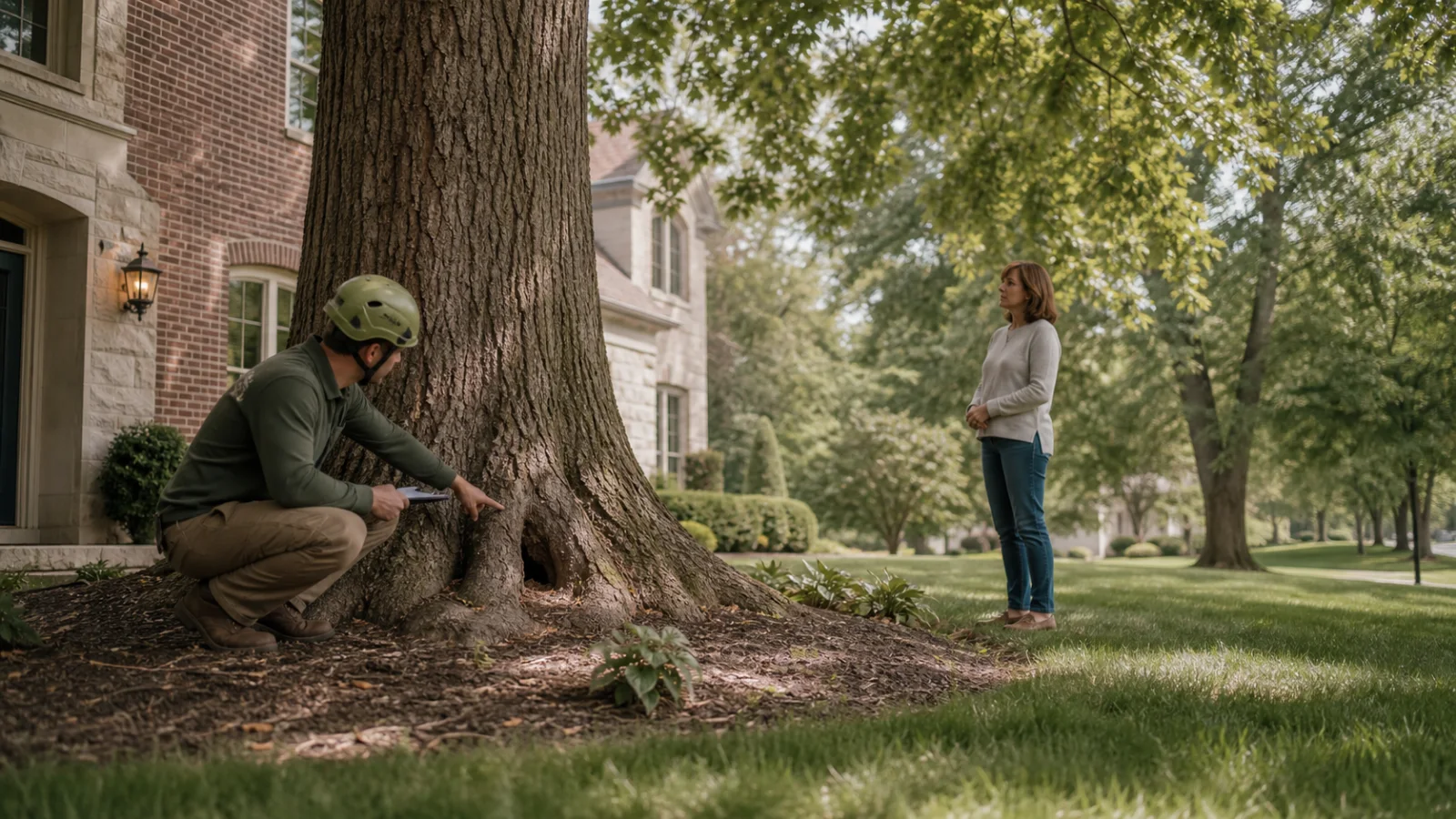
What Indiana homeowners can observe from the ground—and which changes deserve prompt professional review.
A calm sequence for protecting people, avoiding utility hazards, documenting damage, and arranging tree and structural help.