One tree. Several possible paths.
Start with the condition and the target. Then compare the method, access, cleanup, and what the written scope actually includes.
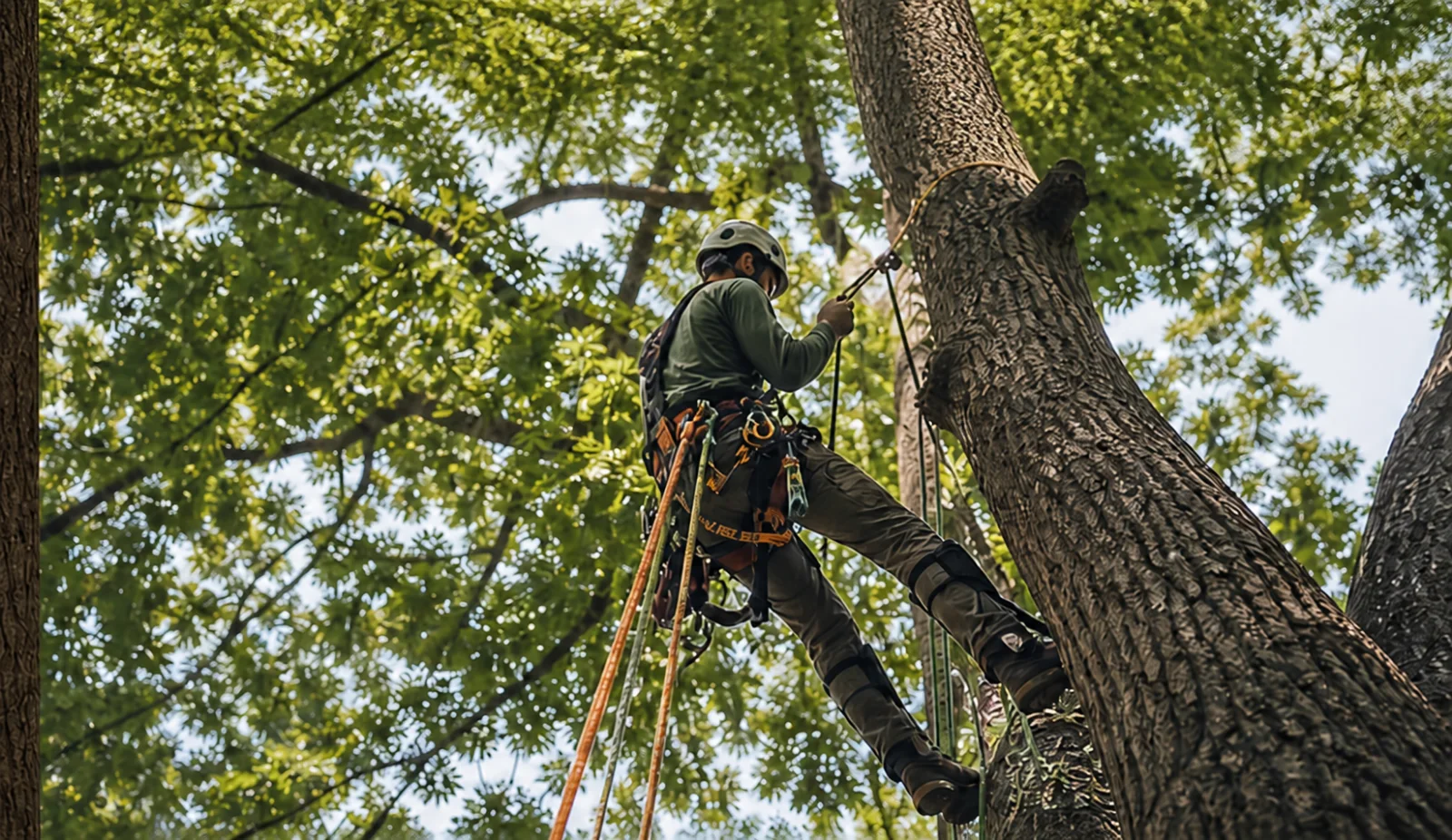
Tree Removal
Plan a controlled removal around homes, driveways, fences, and landscaping.
See when it fits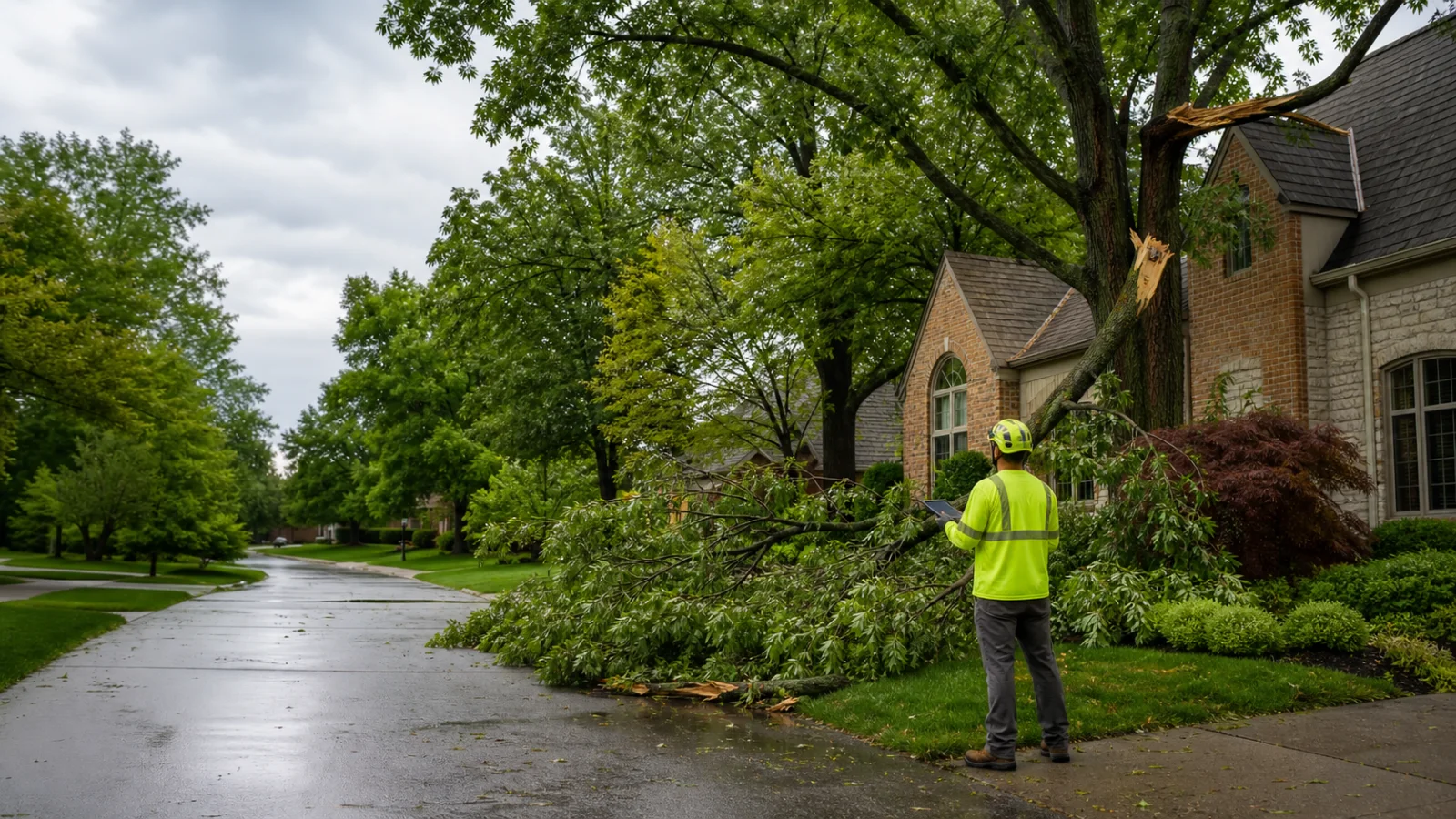
Emergency Tree Service
A clear first response when a tree falls, splits, or blocks safe access.
See when it fitsTree Trimming & Pruning
Pruning tied to a defined objective—not indiscriminate canopy cutting.
See when it fits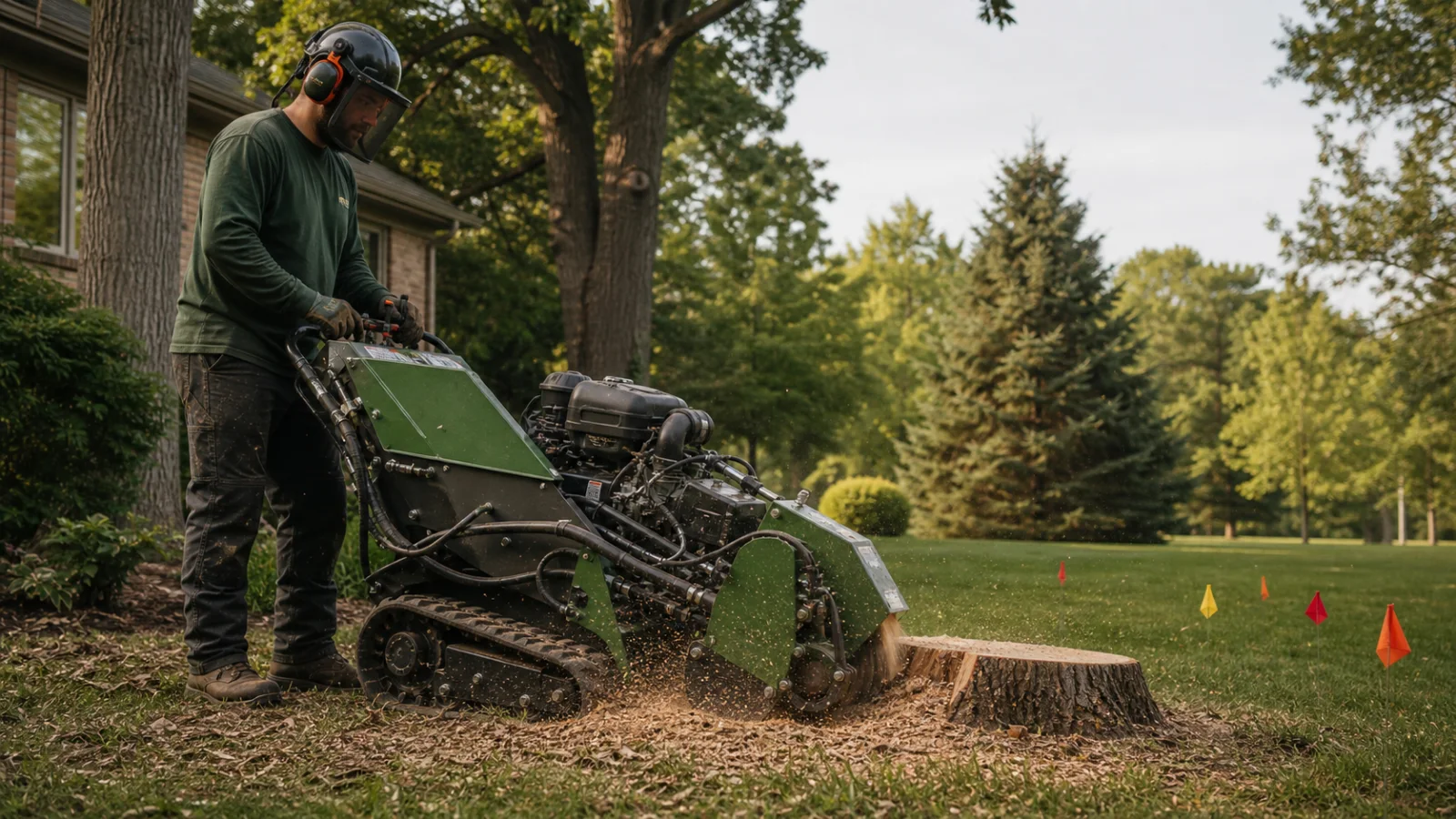
Stump Grinding
Reclaim lawn and planting space after the tree is gone.
See when it fitsStorm Damage Cleanup
Sort urgent hazards from salvageable trees after wind, ice, or saturated soil.
See when it fits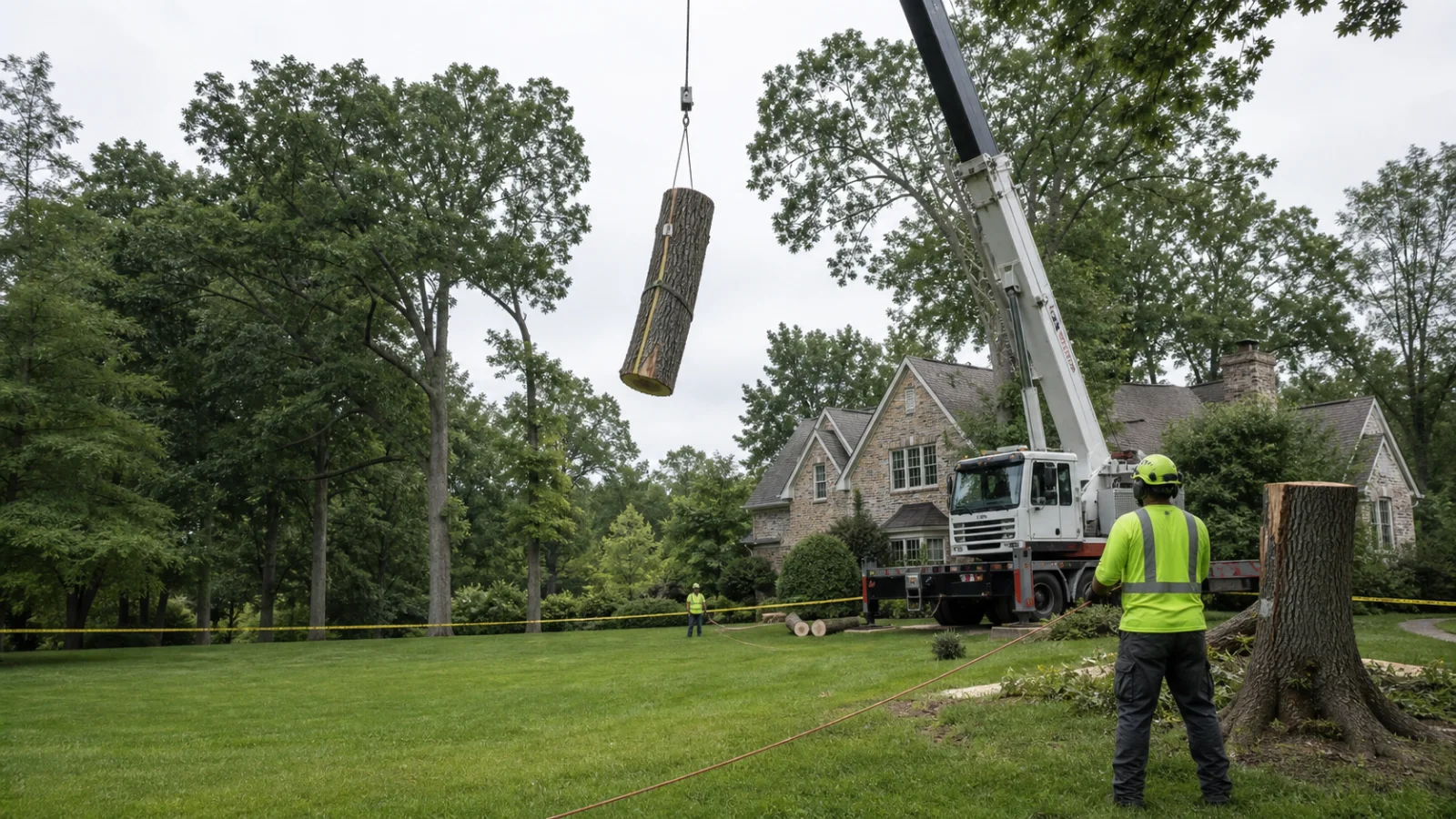
Crane Tree Removal
Controlled lifting where conventional lowering space is limited.
See when it fits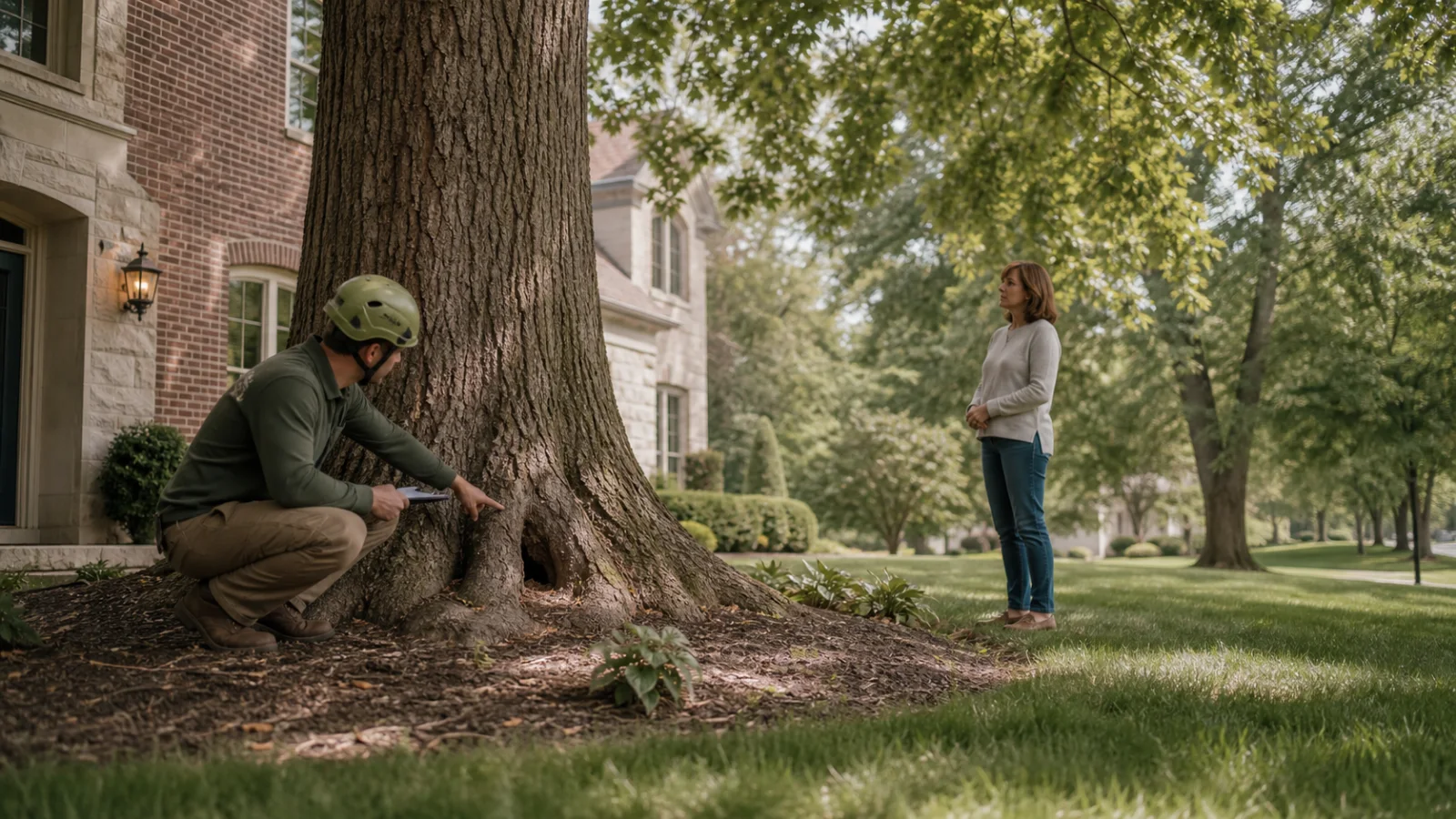
Hazardous Tree Removal
Plan around a known defect, likely failure path, and the people or property below it.
See when it fitsDead Tree Removal
Address brittle wood and progressive failure before weather chooses the timing.
See when it fitsLarge Tree Removal
Sequence heavy wood around limited access and high-value property.
See when it fits
Lot & Land Clearing
Clear selected vegetation with boundaries, utilities, drainage, and retained trees mapped first.
See when it fitsTree Cabling & Bracing
Supplement support for selected defects after inspection—not a substitute for sound structure.
See when it fitsTree Risk Assessment
Understand the defect, target, likelihood, and practical mitigation options.
See when it fitsCommercial Tree Service
Coordinate tree work around tenants, traffic, schedules, and property standards.
See when it fitsDescribe the tree—not just the service name.
Share the tree, its condition, nearby targets, and access. The written scope should explain the work—not leave you guessing.